# Vehicle Title Transfer Process in Miami-Dade County, FL (2025)
Transferring a vehicle title can feel overwhelming, especially in a busy area like Miami-Dade County. In 2025, the vehicle title transfer process in Miami-Dade County, FL remains essential for anyone buying, selling, or inheriting a vehicle. This guide simplifies the process using up-to-date information from official sources, including the Florida Department of Highway Safety and Motor Vehicles (FLHSMV), USA.gov, AAA, and Kelley Blue Book.
## Core Requirements and Eligibility
**What is the cost of Vehicle Title Transfer Process in Miami-Dade County, FL?**
The standard title transfer fee in Florida is $75.75 for an electronic title and $77.75 for a paper title. If the vehicle is financed, an additional lien fee of $2.00 applies. New vehicle owners may also pay a $225 initial registration fee if they have not previously registered a vehicle in Florida. According to the Florida Highway Safety and Motor Vehicles (FLHSMV), these fees are current as of 2025.
**What documents are required for Title Transfer?**
To transfer a vehicle title in Miami-Dade County, you’ll need the following documents:
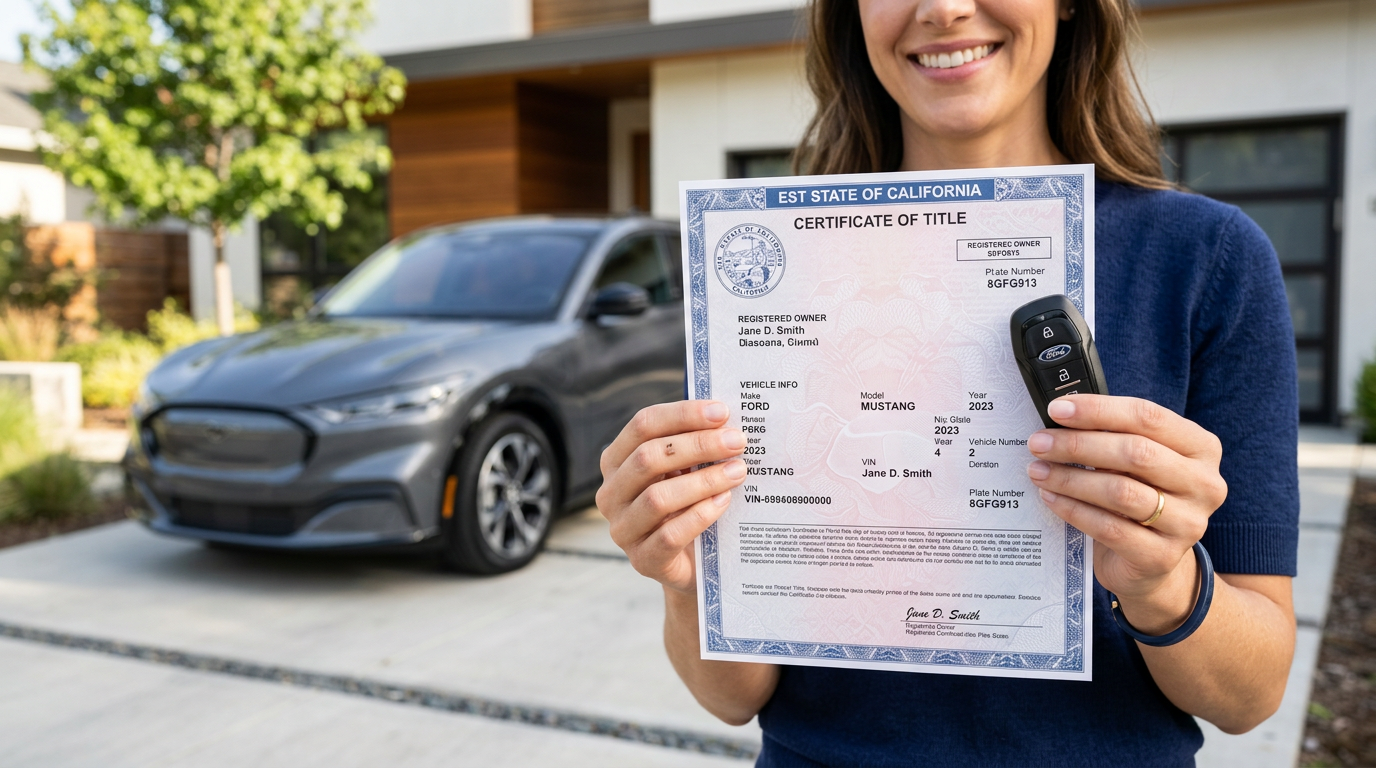
– The original Florida Certificate of Title, completed and signed by both buyer and seller.
– A completed Application for Certificate of Title With/Without Registration (Form HSMV 82040).
– Valid government-issued ID for all parties.
– Proof of Florida insurance (minimum PIP and PDL coverage).
– Odometer disclosure (for vehicles under 10 years old).
According to AAA, all documents must be submitted in person unless otherwise eligible for online processing.
**Can I complete Title Transfer online?**
Yes, under certain conditions. According to FLHSMV, Florida residents can complete some title transfers online through the MyDMV Portal if the title is electronic and there are no liens. However, most transfers—especially those involving out-of-state titles, paper titles, or lienholders—must be completed in person at a local tax collector’s office or DMV service center.
**Are there late fees or penalties for Title Transfer?**
Yes. Florida law requires that title transfers be completed within 30 calendar days of the sale. According to USA.gov, failure to transfer the title within this window may result in a late transfer penalty of up to $20, in addition to potential complications with registration and insurance.
**Do I need insurance or other paperwork before completing Title Transfer?**
Yes. Before transferring a title, you must show proof of valid Florida insurance. According to the Insurance Information Institute, Florida mandates Personal Injury Protection (PIP) and Property Damage Liability (PDL) coverage for all registered vehicles. Additionally, you’ll need to provide a valid ID and complete the required title application forms.
## Timing, Appointments, and Avoiding Mistakes
In Miami-Dade County, the vehicle title transfer process typically takes 30–60 minutes if all documents are in order. However, wait times can be long without an appointment. It’s highly recommended to schedule an appointment online through the Miami-Dade County Tax Collector’s website or the FLHSMV portal to avoid delays.
Common mistakes include:
– Incomplete or unsigned title documents.
– Missing odometer disclosures.
– Submitting incorrect fees.
– Attempting an online transfer when in-person service is required.
Double-checking your paperwork and confirming your eligibility for online services can save significant time and reduce the risk of rejection.
## Conclusion
Successfully navigating the vehicle title transfer process in Miami-Dade County, FL in 2025 means understanding the required documents, fees, and deadlines. Be sure to gather all necessary paperwork, confirm your insurance, and schedule an appointment if needed.
We recommend visiting your official state DMV website or contacting your local office for the most accurate and up-to-date information.
Disclaimer: This article is for informational purposes only and does not constitute legal or official DMV advice. Fees, requirements, and processes may vary by state and are subject to change. Always confirm details with your official state DMV or licensing authority.