Vehicle Title Transfer Process in Travis County, TX (2025)
Transferring a vehicle title in Travis County, TX in 2025 can feel overwhelming, especially if you’re unfamiliar with the process. Whether you’re buying, selling, gifting, or inheriting a vehicle, understanding the vehicle title transfer process in Travis County, TX is essential to avoid delays, penalties, or legal issues. This guide uses official sources like the Texas Department of Motor Vehicles (TxDMV), USA.gov, and trusted automotive organizations to walk you through every step.
## Core Requirements and Eligibility
**What is the cost of Vehicle Title Transfer Process in Travis County, TX?**
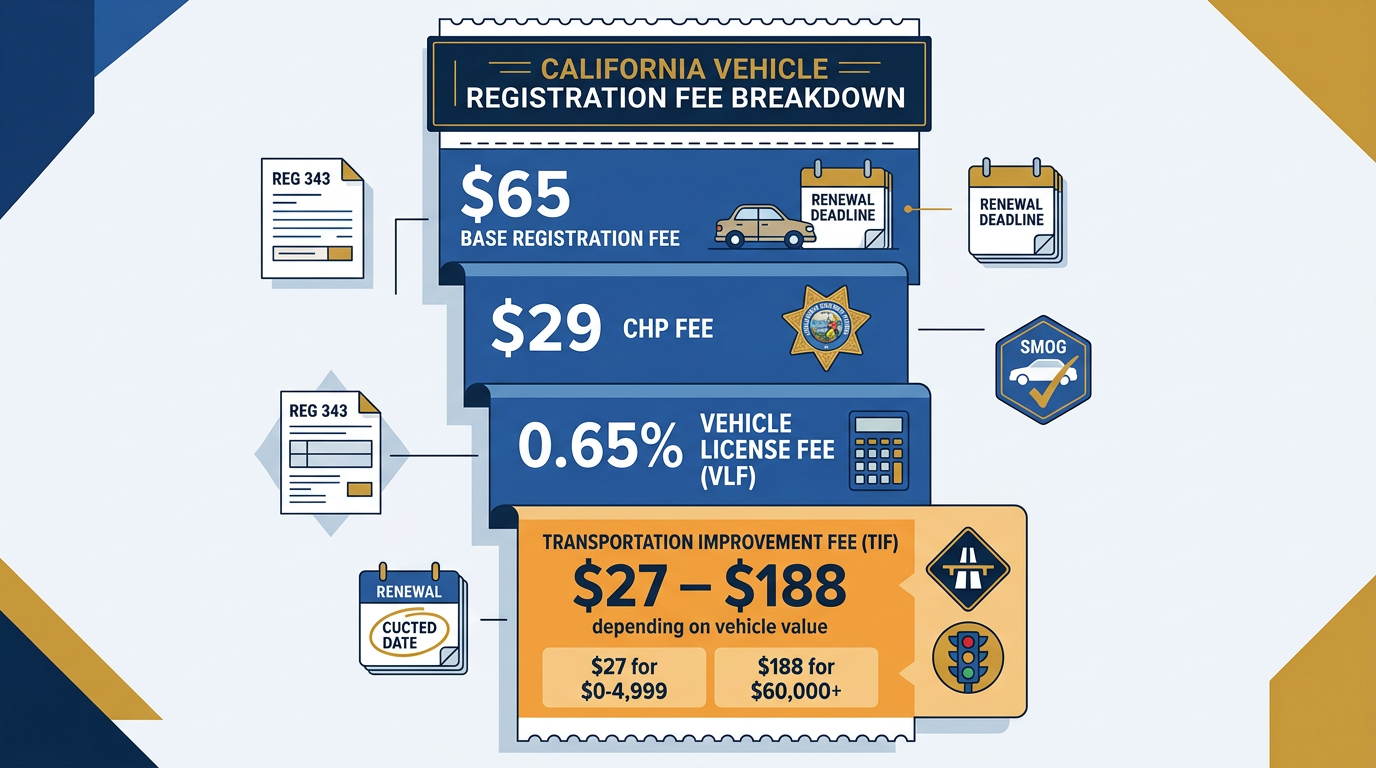
As of 2025, the base title transfer fee in Travis County is $33. Additional fees may apply, including a $2.50 processing and handling fee, registration fees, and local county taxes. For example, if you’re also registering the vehicle, expect to pay between $50 to $150 more depending on the vehicle type and weight. According to the Texas Department of Motor Vehicles (TxDMV), fees vary by county and transaction type, so it’s best to use their online fee estimator or contact the Travis County Tax Office directly.
**What documents are required for Title Transfer?**
To transfer a vehicle title in Travis County, you’ll need the following documents:
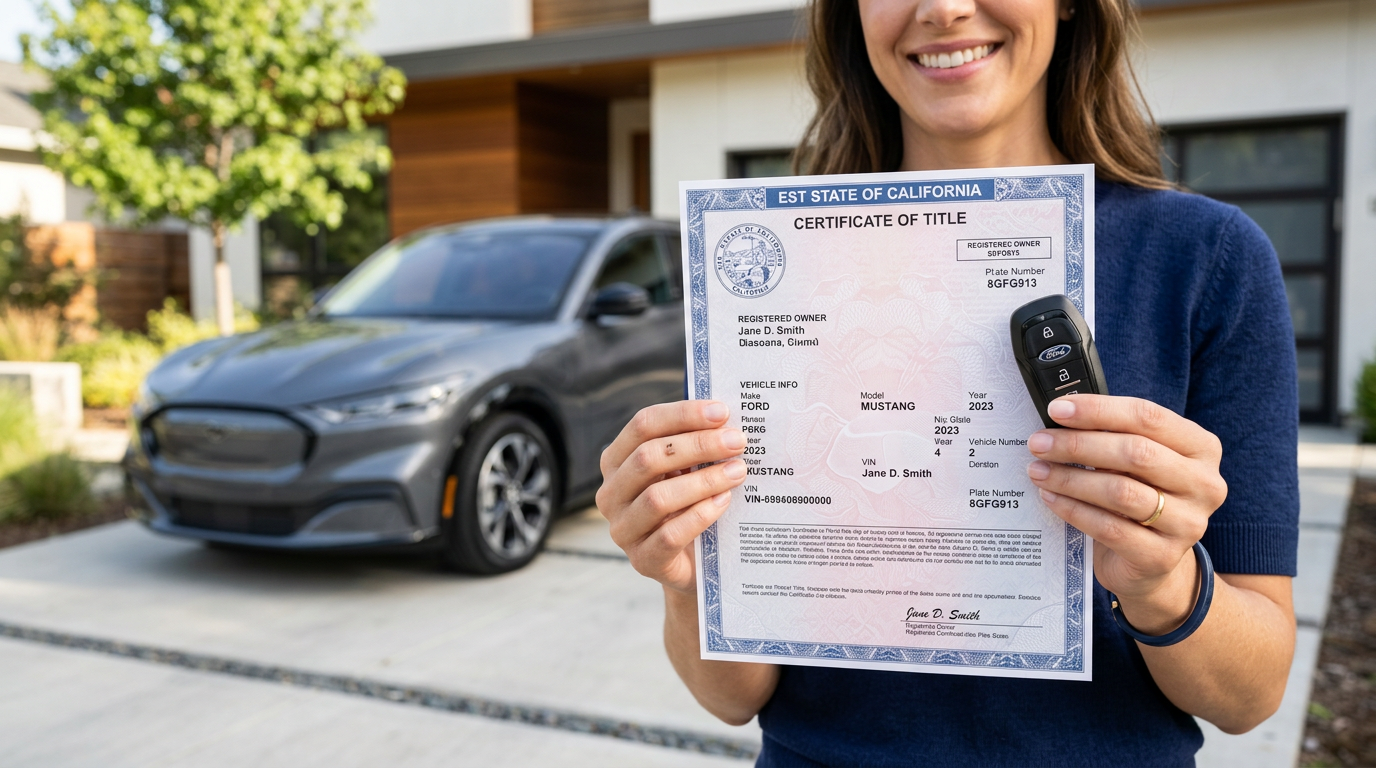
– The signed original vehicle title (with the seller’s and buyer’s information)
– Form 130-U (Application for Texas Title and/or Registration)
– Proof of valid insurance
– Valid government-issued photo ID
– Vehicle Inspection Report (if applicable)
– Odometer Disclosure Statement (for vehicles under 10 years old)
According to USA.gov, all title transfers must include a properly completed title and a bill of sale or sales contract when applicable.
**Can I complete Title Transfer online?**
In most cases, title transfers in Travis County must be completed in person at the Travis County Tax Office. According to the TxDMV, online title transfer is not currently available for private party sales or most standard title transactions. However, dealers and lienholders may have access to electronic title transfer systems. For private individuals, you must visit a county tax office with the required documents.
**Are there late fees or penalties for Title Transfer?**
Yes. Texas law requires that the buyer file the title transfer within 30 calendar days of the sale date. Failure to do so can result in a late transfer penalty of $25, with an additional $25 for every 30 days the transfer is delayed, up to a maximum of $250. According to the Insurance Information Institute, timely title transfer is critical to avoid fines and ensure proper vehicle ownership and liability coverage.
**Do I need insurance or other paperwork before completing Title Transfer?**
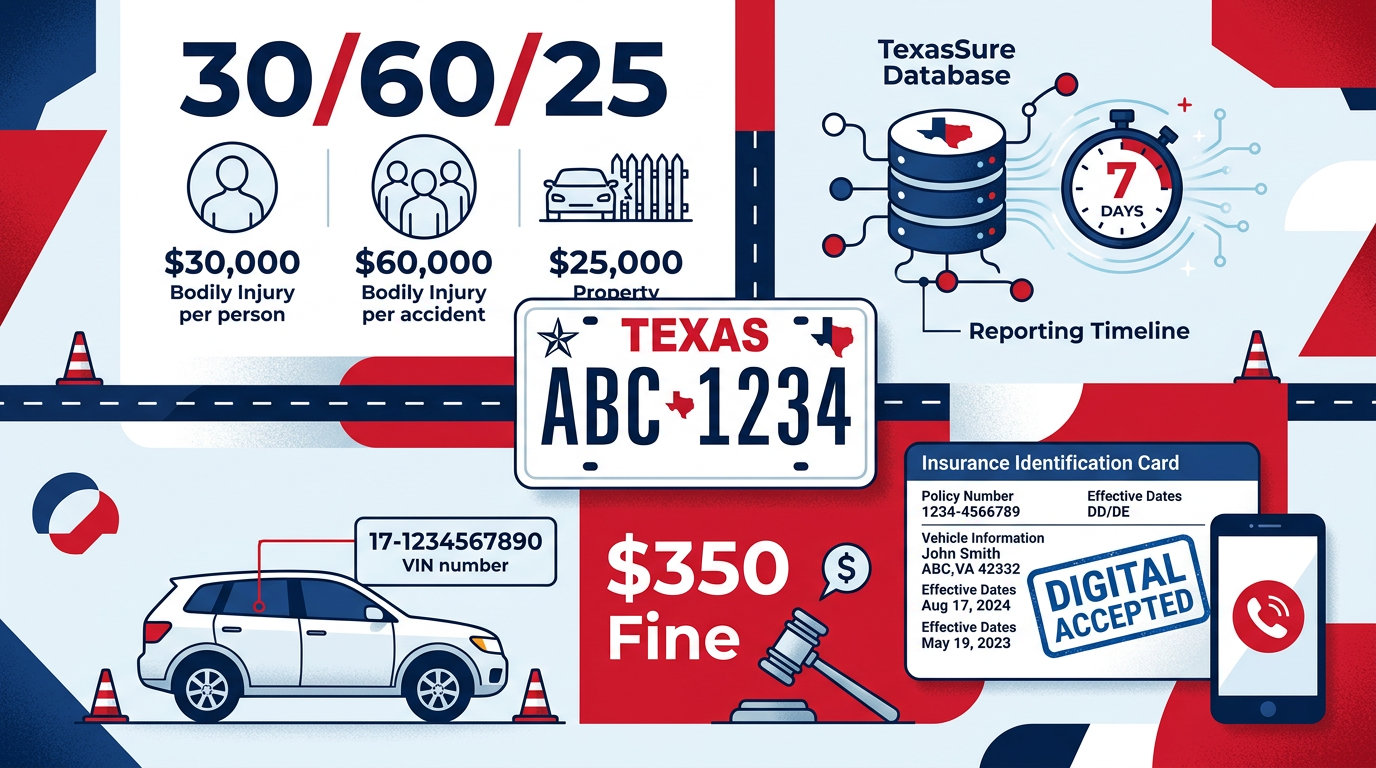
Yes, valid Texas auto insurance is mandatory before completing a title transfer. You must present proof of insurance that meets the state’s minimum liability requirements. Additionally, the vehicle must pass a Texas safety inspection if it is being registered. According to AAA, failing to provide proof of insurance or a valid inspection can delay or prevent the title transfer from being processed.
## Timing, Appointments, and Avoiding Mistakes
The typical timeline for completing a vehicle title transfer in Travis County is 1 to 2 business days once all documents are submitted in person. However, during peak times (e.g., end of month), processing may take longer. To avoid long wait times, schedule an appointment through the Travis County Tax Office website. Walk-ins are accepted, but appointments are strongly recommended.
Common mistakes include:
– Not signing the title correctly (both buyer and seller must sign)
– Submitting incomplete Form 130-U
– Failing to provide insurance or inspection documentation
– Missing the 30-day deadline, resulting in penalties
Double-check all paperwork before your appointment, and bring original documents—not photocopies.
## Conclusion
Successfully completing the vehicle title transfer process in Travis County, TX in 2025 requires attention to detail and prompt action. Gather the correct documents, ensure your insurance and inspection are current, and file the paperwork within 30 days to avoid penalties.
We recommend visiting your official state DMV website or contacting your local office for the most accurate and up-to-date information.
Disclaimer: This article is for informational purposes only and does not constitute legal or official DMV advice. Fees, requirements, and processes may vary by state and are subject to change. Always confirm details with your official state DMV or licensing authority.