
Navigating the process of buying or selling a car can be complex, and understanding the fees for transferring a car title in California is a crucial step. Whether you're a first-time buyer or a seasoned seller, the variety of charges can be confusing. This comprehensive guide will break down all the potential costs, from standard administrative fees to use tax and potential penalties. With a clear understanding of what to expect, you can budget accordingly and ensure a smooth and surprise-free DMV experience.
Understanding the Core Title Transfer Fee
The foundation of the fees for transferring a car title in California is the title transfer fee itself. This is a standard, flat fee charged by the California Department of Motor Vehicles (DMV) to process the change of ownership and issue a new title. While this fee is generally consistent, it's always a good idea to check the official California DMV website for the most current amount, as state fees can be subject to change.
This core fee covers the administrative work involved in updating the vehicle's records. It ensures that the state has an accurate record of who legally owns the vehicle, which is essential for everything from law enforcement to registration renewals. Think of it as the baseline cost from which all other potential fees are added.
What Does This Fee Cover?
- The processing of the application for a new title.
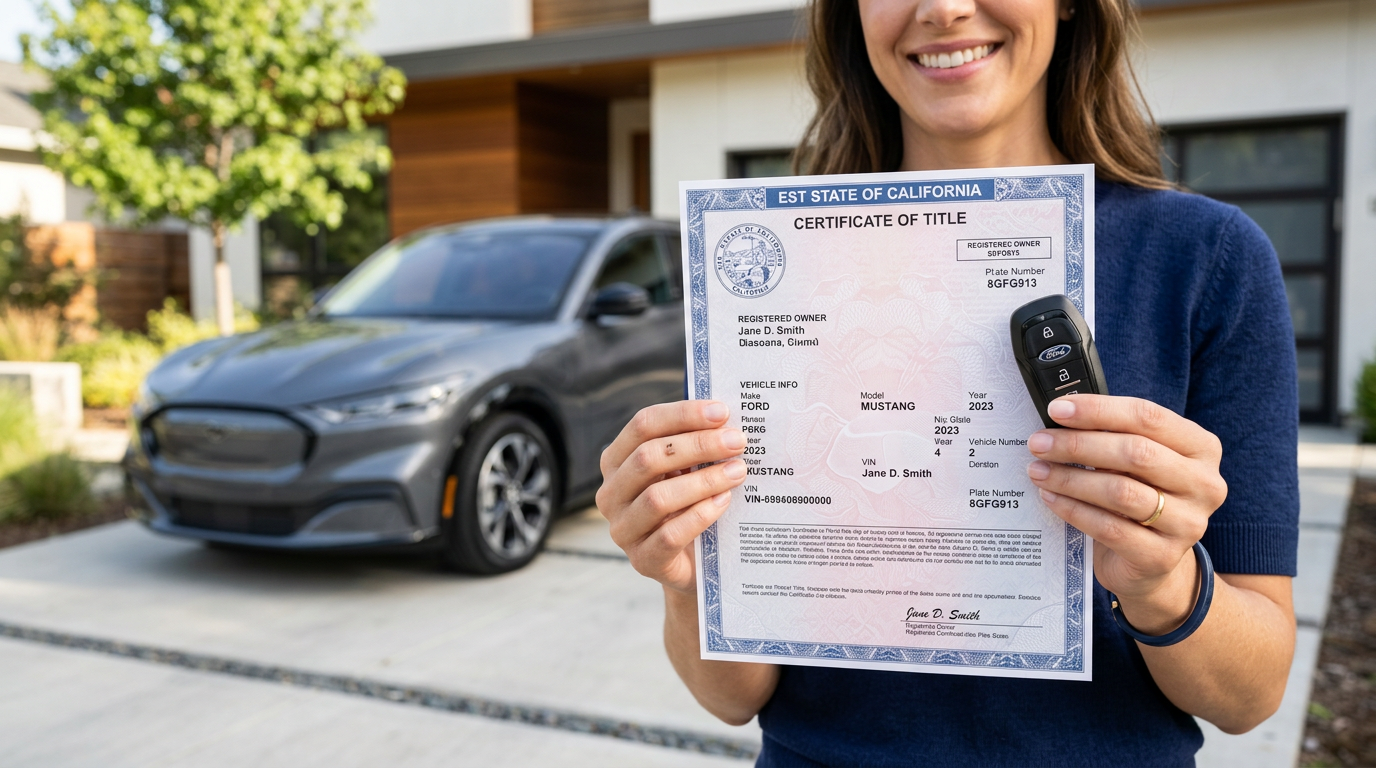
- The printing and mailing of the new California Certificate of Title.
- The official update of the DMV's vehicle ownership database.
It’s important to remember that this is just one piece of the puzzle. The total amount you’ll pay will likely be higher once other taxes and fees are factored in.
Calculating California's Use Tax on Vehicle Transfers
Beyond the base title transfer fee, the most significant cost for most people is the California use tax. This tax is comparable to the sales tax you would pay if you purchased a vehicle from a licensed dealer. The state of California imposes this tax on vehicles purchased from a private party, an out-of-state dealer, or a California dealer who didn't collect the tax at the time of sale.
The use tax rate is based on the sales tax rate in the county where the new owner registers the vehicle. This means the amount you pay will vary depending on where you live. For example, the use tax you pay in Los Angeles County may differ from what you would pay in Orange County or San Diego County.
How is the Use Tax Calculated?
The use tax is calculated based on the purchase price of the vehicle. You will need to declare the purchase price on the title transfer application. It's crucial to be honest about the purchase price, as the DMV has the authority to verify the value of the vehicle and may adjust the tax if the declared price seems unusually low.
For example, if you purchase a vehicle for $15,000 and the use tax rate in your county is 9.5%, you would owe $1,425 in use tax. You can typically find the current sales tax rate for your county on the California Department of Tax and Fee Administration website.
Additional Fees: Registration, Smog Checks, and More
In addition to the title transfer fee and use tax, several other fees can apply when you transfer a car title in California. These fees can vary depending on the specific circumstances of the vehicle and the transfer.
Registration Renewal
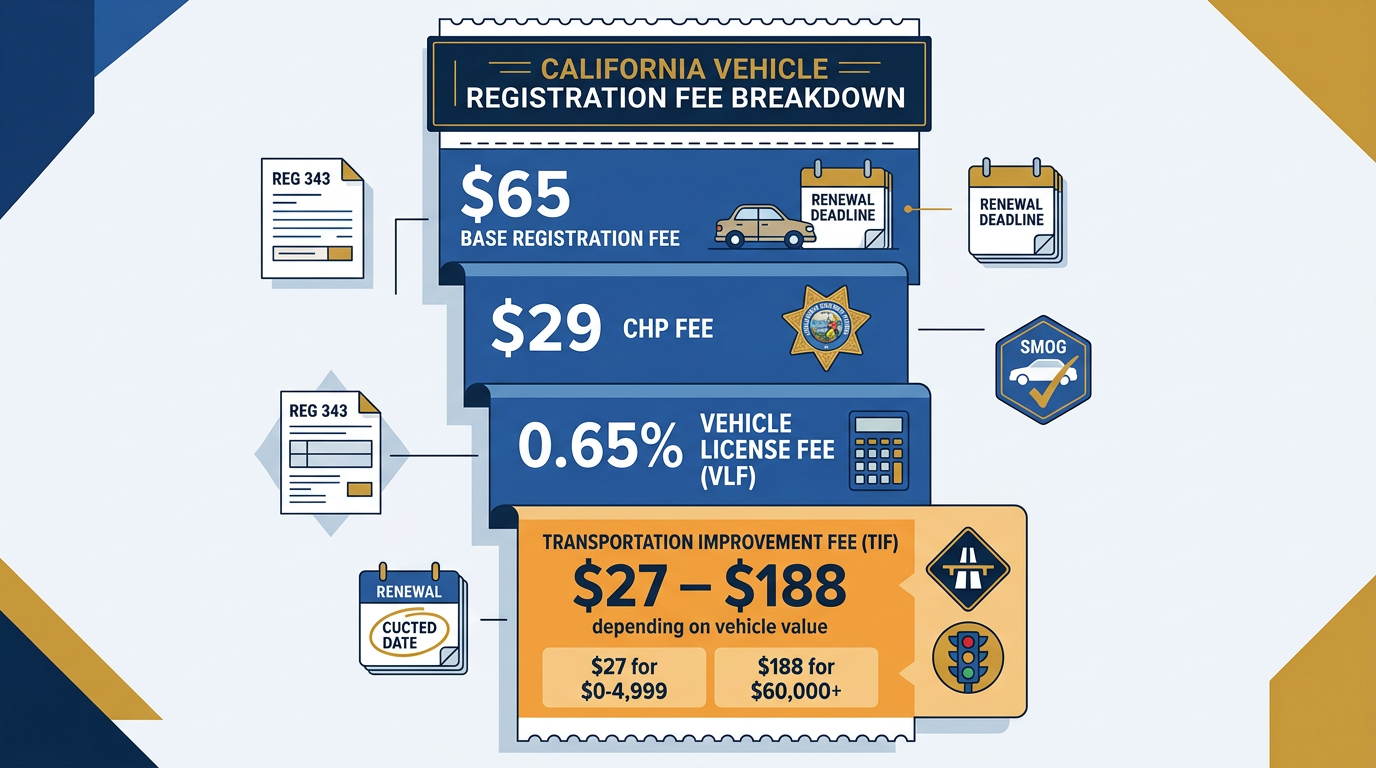
If the vehicle's registration is due for renewal at the time of the transfer, you will need to pay the registration renewal fees. This is a common scenario, as many people sell their vehicles when the registration is about to expire. The cost of registration renewal depends on the vehicle's type, age, and value.
Smog Certification
California has strict emissions laws, and a smog check is typically required for most gasoline-powered vehicles that are more than four years old. The seller is usually responsible for providing a valid smog certificate to the buyer. However, if this is not done, the buyer will need to obtain one before the title can be transferred. The cost of a smog check can vary depending on the station, but it's a necessary expense to ensure the vehicle is compliant with state environmental regulations.
Other Potential Fees
- Duplicate Title Fee: If the original title is lost, stolen, or damaged, you will need to apply for a duplicate title before you can transfer ownership. This incurs an additional fee.
- Transfer Penalty: As we'll discuss in the next section, there are penalties for failing to transfer the title within the required timeframe.
- License Plate Fee: If the vehicle needs new license plates, you will have to pay a license plate fee.
- VIN Verification: For out-of-state vehicles, a VIN verification is required to ensure the vehicle identification number is legitimate. This service also has an associated fee.
Penalties for Late Title Transfers in California
The state of California is serious about timely title transfers. When you buy a vehicle, you have 10 days from the date of purchase to report the transfer of ownership to the DMV. The seller also has a responsibility to report the sale within 5 days. If you fail to transfer the title within 30 days of the purchase date, you will be subject to late fees and penalties.
These penalties can add up quickly, so it's in your best interest to complete the title transfer process as soon as possible. The penalty amount can vary, but it often includes a combination of a late transfer fee and increased registration fees.
How to Avoid Late Fees
- Act Quickly: Don't wait to start the title transfer process. Gather all the necessary documents and visit a DMV office or use the online services if available.
- Communicate with the Seller: Ensure the seller has completed their part of the process, including signing the title and providing any necessary documentation.
- Be Prepared: Have all your documents in order, including the signed title, a bill of sale, and any required smog certificates. This will help you avoid delays at the DMV.
Fee Exemptions: When You Don't Have to Pay
While the fees for transferring a car title in California can seem extensive, there are some situations where you may be exempt from paying some or all of them. These exemptions are typically for non-sale transactions where the vehicle is not being purchased in a traditional sense.
Family Transfers
One of the most common exemptions is for vehicle transfers between immediate family members. This can include transfers between spouses, parents, children, grandparents, and grandchildren. In these cases, you may be exempt from paying the use tax. However, you will still likely need to pay the standard title transfer fee and any applicable registration fees.
Gifts and Inheritances
If you receive a vehicle as a gift or inherit it, you may also be exempt from paying use tax. You will need to sign a statement of facts declaring that the vehicle was a gift. As with family transfers, the standard title transfer and registration fees will still apply.
Other Exemptions
- Adding or removing a lienholder: If you are simply adding or removing a lienholder from the title, you will not have to pay use tax.
- Transfer to a trust: Transferring a vehicle into a revocable living trust is also typically exempt from use tax.
It's always wise to consult with the DMV or a legal professional to confirm if your specific situation qualifies for an exemption. The vehicle title transfer process can have many nuances, so getting accurate information is key.
How to Pay Your California Title Transfer Fees
When it comes time to pay the various fees for transferring a car title in California, the DMV offers several convenient options. Whether you prefer to pay in person or online, you have choices.
In-Person Payments
If you visit a DMV office, you can typically pay your fees using:
- Cash
- Check
- Money order
- Debit or credit card
Be prepared for potential wait times at the DMV. You can often make an appointment online to save time.
Online and Mail Payments
For certain transactions, you may be able to pay your fees online through the California DMV's website. This can be a more convenient option, allowing you to avoid a trip to the DMV. You can also mail in your application and payment for some services. Be sure to check the DMV website for specific instructions and to confirm if your transaction can be completed remotely.
By understanding the full spectrum of fees and having a plan, you can navigate the California car title transfer process with confidence. Don't let the paperwork intimidate you—with a little preparation, you can ensure a smooth and successful transfer of ownership. For more detailed information on specific counties, explore our guides for Riverside County and beyond. Remember, a successful title transfer is the final step to enjoying your new vehicle, so it's worth doing right.
Frequently Asked Questions
How much does it cost to transfer a car title in California?
The total cost includes a standard title transfer fee, use tax based on your county’s sales tax rate, and potentially other fees for registration, smog certification, and penalties if you are late.
Do I have to pay sales tax on a gifted car in California?
No, in most cases, you are exempt from paying use tax on a vehicle that is a gift. You will still need to pay the base title transfer fee.
How long do I have to transfer a car title in California?
You have 10 days from the date of purchase to report the transfer of ownership to the DMV. To avoid penalties, you must complete the transfer within 30 days.
What happens if I miss the 30-day deadline for a title transfer in California?
If you fail to transfer the title within 30 days, the California DMV will assess late fees and penalties, which can significantly increase the total cost.
Can I transfer a car title online in California?
The California DMV offers some online services for title transfers, but not all situations can be handled online. It’s best to check the DMV website for your specific circumstances.
What is the use tax on a car in California?
The use tax is equivalent to the sales tax in the county where you register the vehicle and is calculated based on the purchase price of the car.
Is a smog check required to transfer a car title in California?
Yes, for most gasoline-powered vehicles older than four model years, a valid smog certificate is required before the title can be transferred.
Navigating the process of buying or selling a car can be complex, and understanding the fees for transferring a car title in California is a crucial step. Whether you're a first-time buyer or a seasoned seller, the variety of charges can be confusing. This comprehensive guide will break down all the potential costs, from standard administrative fees to use tax and potential penalties. With a clear understanding of what to expect, you can budget accordingly and ensure a smooth and surprise-free DMV experience.
Understanding the Core Title Transfer Fee
The foundation of the fees for transferring a car title in California is the title transfer fee itself. This is a standard, flat fee charged by the California Department of Motor Vehicles (DMV) to process the change of ownership and issue a new title. While this fee is generally consistent, it's always a good idea to check the official California DMV website for the most current amount, as state fees can be subject to change.
This core fee covers the administrative work involved in updating the vehicle's records. It ensures that the state has an accurate record of who legally owns the vehicle, which is essential for everything from law enforcement to registration renewals. Think of it as the baseline cost from which all other potential fees are added.
What Does This Fee Cover?
- The processing of the application for a new title.
- The printing and mailing of the new California Certificate of Title.
- The official update of the DMV's vehicle ownership database.
It’s important to remember that this is just one piece of the puzzle. The total amount you’ll pay will likely be higher once other taxes and fees are factored in.
Calculating California's Use Tax on Vehicle Transfers
Beyond the base title transfer fee, the most significant cost for most people is the California use tax. This tax is comparable to the sales tax you would pay if you purchased a vehicle from a licensed dealer. The state of California imposes this tax on vehicles purchased from a private party, an out-of-state dealer, or a California dealer who didn't collect the tax at the time of sale.
The use tax rate is based on the sales tax rate in the county where the new owner registers the vehicle. This means the amount you pay will vary depending on where you live. For example, the use tax you pay in Los Angeles County may differ from what you would pay in Orange County or San Diego County.
How is the Use Tax Calculated?
The use tax is calculated based on the purchase price of the vehicle. You will need to declare the purchase price on the title transfer application. It's crucial to be honest about the purchase price, as the DMV has the authority to verify the value of the vehicle and may adjust the tax if the declared price seems unusually low.
For example, if you purchase a vehicle for $15,000 and the use tax rate in your county is 9.5%, you would owe $1,425 in use tax. You can typically find the current sales tax rate for your county on the California Department of Tax and Fee Administration website.
Additional Fees: Registration, Smog Checks, and More
In addition to the title transfer fee and use tax, several other fees can apply when you transfer a car title in California. These fees can vary depending on the specific circumstances of the vehicle and the transfer.
Registration Renewal
If the vehicle's registration is due for renewal at the time of the transfer, you will need to pay the registration renewal fees. This is a common scenario, as many people sell their vehicles when the registration is about to expire. The cost of registration renewal depends on the vehicle's type, age, and value.
Smog Certification
California has strict emissions laws, and a smog check is typically required for most gasoline-powered vehicles that are more than four years old. The seller is usually responsible for providing a valid smog certificate to the buyer. However, if this is not done, the buyer will need to obtain one before the title can be transferred. The cost of a smog check can vary depending on the station, but it's a necessary expense to ensure the vehicle is compliant with state environmental regulations.
Other Potential Fees
- Duplicate Title Fee: If the original title is lost, stolen, or damaged, you will need to apply for a duplicate title before you can transfer ownership. This incurs an additional fee.
- Transfer Penalty: As we'll discuss in the next section, there are penalties for failing to transfer the title within the required timeframe.
- License Plate Fee: If the vehicle needs new license plates, you will have to pay a license plate fee.
- VIN Verification: For out-of-state vehicles, a VIN verification is required to ensure the vehicle identification number is legitimate. This service also has an associated fee.
Penalties for Late Title Transfers in California
The state of California is serious about timely title transfers. When you buy a vehicle, you have 10 days from the date of purchase to report the transfer of ownership to the DMV. The seller also has a responsibility to report the sale within 5 days. If you fail to transfer the title within 30 days of the purchase date, you will be subject to late fees and penalties.
These penalties can add up quickly, so it's in your best interest to complete the title transfer process as soon as possible. The penalty amount can vary, but it often includes a combination of a late transfer fee and increased registration fees.
How to Avoid Late Fees
- Act Quickly: Don't wait to start the title transfer process. Gather all the necessary documents and visit a DMV office or use the online services if available.
- Communicate with the Seller: Ensure the seller has completed their part of the process, including signing the title and providing any necessary documentation.
- Be Prepared: Have all your documents in order, including the signed title, a bill of sale, and any required smog certificates. This will help you avoid delays at the DMV.
Fee Exemptions: When You Don't Have to Pay
While the fees for transferring a car title in California can seem extensive, there are some situations where you may be exempt from paying some or all of them. These exemptions are typically for non-sale transactions where the vehicle is not being purchased in a traditional sense.
Family Transfers
One of the most common exemptions is for vehicle transfers between immediate family members. This can include transfers between spouses, parents, children, grandparents, and grandchildren. In these cases, you may be exempt from paying the use tax. However, you will still likely need to pay the standard title transfer fee and any applicable registration fees.
Gifts and Inheritances
If you receive a vehicle as a gift or inherit it, you may also be exempt from paying use tax. You will need to sign a statement of facts declaring that the vehicle was a gift. As with family transfers, the standard title transfer and registration fees will still apply.
Other Exemptions
- Adding or removing a lienholder: If you are simply adding or removing a lienholder from the title, you will not have to pay use tax.
- Transfer to a trust: Transferring a vehicle into a revocable living trust is also typically exempt from use tax.
It's always wise to consult with the DMV or a legal professional to confirm if your specific situation qualifies for an exemption. The vehicle title transfer process can have many nuances, so getting accurate information is key.
How to Pay Your California Title Transfer Fees
When it comes time to pay the various fees for transferring a car title in California, the DMV offers several convenient options. Whether you prefer to pay in person or online, you have choices.
In-Person Payments
If you visit a DMV office, you can typically pay your fees using:
- Cash
- Check
- Money order
- Debit or credit card
Be prepared for potential wait times at the DMV. You can often make an appointment online to save time.
Online and Mail Payments
For certain transactions, you may be able to pay your fees online through the California DMV's website. This can be a more convenient option, allowing you to avoid a trip to the DMV. You can also mail in your application and payment for some services. Be sure to check the DMV website for specific instructions and to confirm if your transaction can be completed remotely.
By understanding the full spectrum of fees and having a plan, you can navigate the California car title transfer process with confidence. Don't let the paperwork intimidate you—with a little preparation, you can ensure a smooth and successful transfer of ownership. For more detailed information on specific counties, explore our guides for Riverside County and beyond. Remember, a successful title transfer is the final step to enjoying your new vehicle, so it's worth doing right.
Frequently Asked Questions
How much does it cost to transfer a car title in California?
The total cost includes a standard title transfer fee, use tax based on your county’s sales tax rate, and potentially other fees for registration, smog certification, and penalties if you are late.
Do I have to pay sales tax on a gifted car in California?
No, in most cases, you are exempt from paying use tax on a vehicle that is a gift. You will still need to pay the base title transfer fee.
How long do I have to transfer a car title in California?
You have 10 days from the date of purchase to report the transfer of ownership to the DMV. To avoid penalties, you must complete the transfer within 30 days.
What happens if I miss the 30-day deadline for a title transfer in California?
If you fail to transfer the title within 30 days, the California DMV will assess late fees and penalties, which can significantly increase the total cost.
Can I transfer a car title online in California?
The California DMV offers some online services for title transfers, but not all situations can be handled online. It’s best to check the DMV website for your specific circumstances.
What is the use tax on a car in California?
The use tax is equivalent to the sales tax in the county where you register the vehicle and is calculated based on the purchase price of the car.
Is a smog check required to transfer a car title in California?
Yes, for most gasoline-powered vehicles older than four model years, a valid smog certificate is required before the title can be transferred.